How Spray Foam Subcontractor Pricing Actually Works
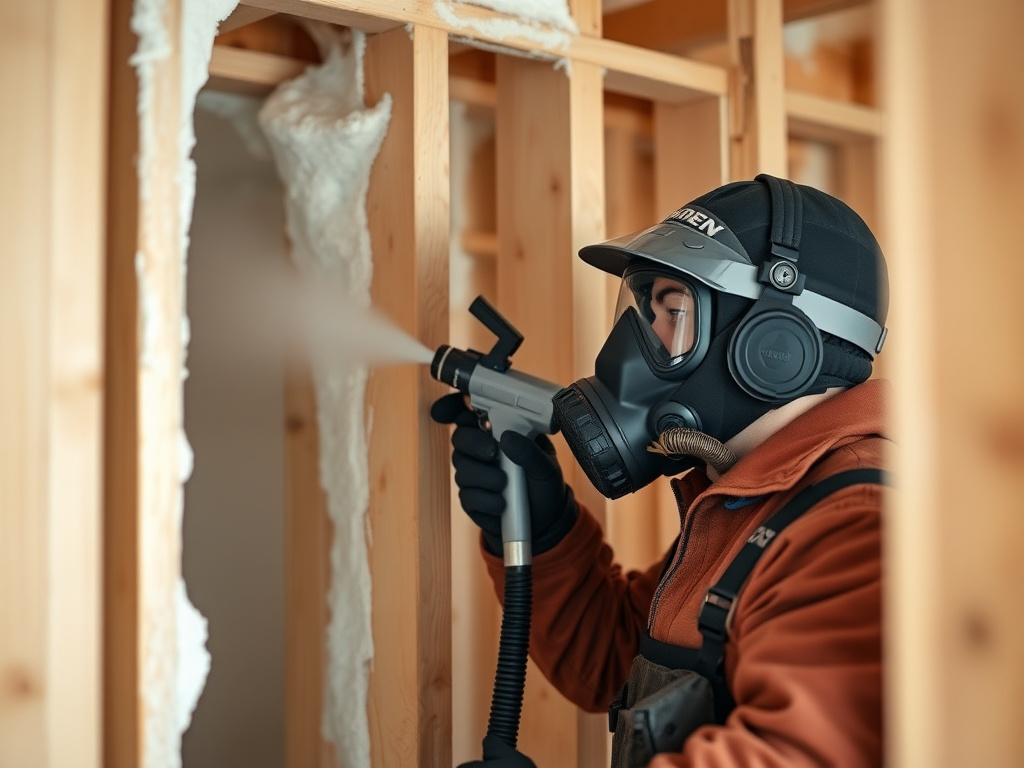
If you've gotten SPF quotes that seem to use a different unit than everyone else on the job, that's normal — the trade prices in board feet, not square feet. Understanding that unit makes it much easier to compare bids and scope a project accurately before you go looking for a crew.
What a board foot actually is
One board foot (BF) equals one square foot of coverage at one inch of thickness. A wall cavity sprayed to 3 inches of foam covering 100 square feet works out to 300 board feet, not 100. This is why square-footage numbers alone don't tell a spray foam sub enough to bid a job — thickness (and therefore R-value target) is the other half of the equation.
Why open-cell and closed-cell price differently
Closed-cell foam is denser, delivers a higher R-value per inch, and generally costs more per board foot to install than open-cell. Retail, consumer-facing cost guides commonly cite open-cell material running roughly $0.44 to $0.75 per board foot and closed-cell running roughly $1.00 to $2.00 per board foot, with installed pricing (material plus labor) often landing in a broader $3 to $5 per square-foot range depending on the application. Those figures reflect general market/retail context, not a fixed labor-only subcontractor rate — actual sub pricing depends on region, scope, access, and the specific arrangement between the GC and the crew.
What moves the price beyond material choice
- Access and job complexity — tight crawlspaces, high roof pitches, and occupied buildings all add time.
- Job size — larger, more continuous scopes are typically more efficient per board foot than small, fragmented jobs.
- Seasonal demand — spring and summer construction season generally means tighter crew availability and busier schedules.
- Travel distance — coverage area and drive time factor into how a sub prices a job outside their core radius.
- Prep and removal — any tear-out of failed or aged insulation adds real labor time before spraying even starts.
Get an accurate quote, not a guess
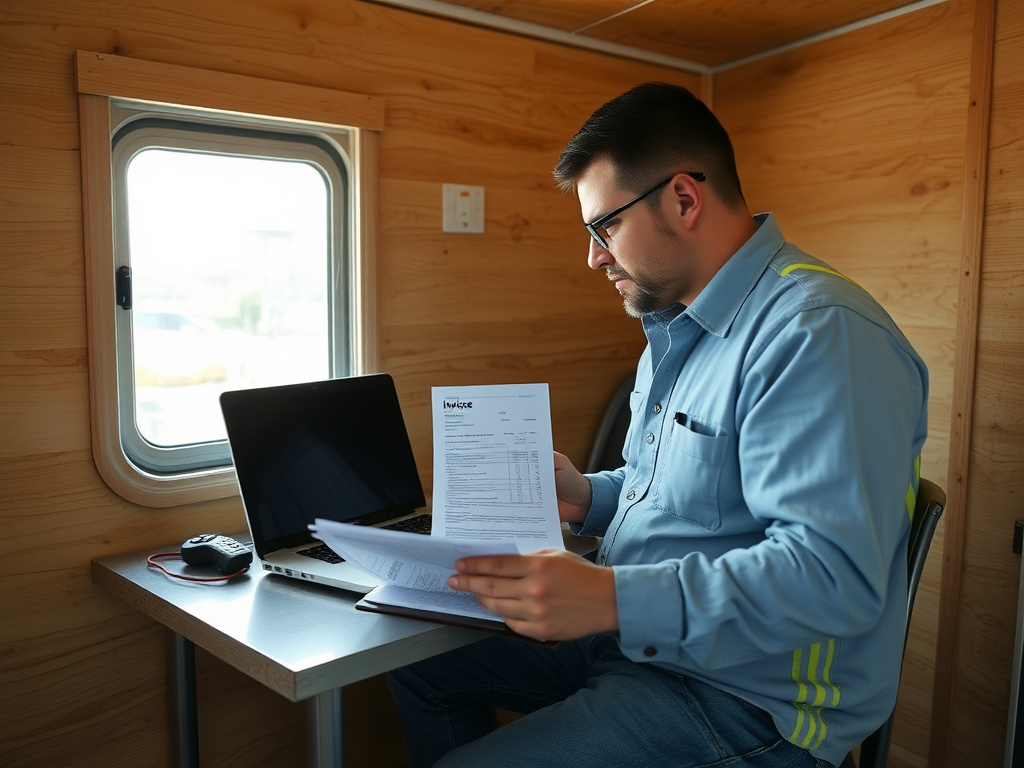
The only way to get a real number for a specific project is to have a qualified sub look at the actual scope — square footage, target thickness, access conditions, and timeline. Ballpark board-foot ranges are useful for early budgeting, not for locking in a bid.
Frequently asked questions
Board-foot pricing is the industry-standard way to price material and labor together for a given thickness, but some subs quote a flat job price or a per-square-foot number for a specified thickness instead. Ask how a quote was calculated so you're comparing apples to apples across bids.
Ready to get moving?
Find a subcontractor for your project, or get your business listed — both are free.