How to Vet a Spray Foam Subcontractor Before You Hire

Spray polyurethane foam (SPF) installation is a specialized trade — it requires plural-component rig operation, precise chemical ratios, and real field experience to apply correctly. That specialization is exactly why qualified SPF crews can be harder to line up than a typical trade sub, especially during the spring and summer construction push when demand for insulation and roofing crews spikes across the board. In tighter markets, project timelines can stretch simply because a qualified, available, insured crew isn't sitting idle waiting for the call.
That scarcity is exactly why skipping vetting is a bad trade-off. A bad SPF application — under-catalyzed foam, poor adhesion, missed ignition-barrier or thermal-barrier code requirements — can turn into a callback, a warranty claim, or a code inspection failure that lands back on the GC's desk. Here's what to actually check before a spray foam subcontractor gets on your job site.
1. Verify their own insurance, directly
Before work starts, ask the subcontractor for a current certificate of insurance (COI) showing general liability, and workers' compensation coverage where applicable, and confirm your company is listed as a certificate holder (or additional insured, per your contract terms). This is a standard subcontractor-management step across every trade, not something specific to SPF — but it matters more here because a foam-related callback (adhesion failure, off-ratio chemistry, overspray damage) can get expensive fast. A COI on file isn't a formality; verify the policy is active and the coverage actually matches your subcontract requirements before the crew shows up.
2. Ask about SPFA's Professional Certification Program
The Spray Polyurethane Foam Alliance (SPFA) — the trade's national industry association — runs a Professional Certification Program (PCP) for individual installers. It's an ISO 17024-compliant credential developed with input from OSHA, NIOSH, and the EPA, and it's referenced in Unified Facilities Guide Specifications (UFGS) used on federal construction projects. It's not a legal requirement to work in most markets, but a crew that holds PCP credentials — including higher-level "Master" certification, which requires both a written exam and a field exam — has demonstrated a level of formal training that a lot of unlicensed labor hasn't.
3. Check state licensing and local permitting requirements
Licensing requirements for spray foam installation vary significantly by state and sometimes by municipality — some jurisdictions require a general contractor or insulation-specific license, others don't regulate the trade directly. Confirm what your state and local building department actually require, and ask the sub for proof they meet it before work begins.
4. Inspect the rig and ask about equipment maintenance
Plural-component spray rigs need regular maintenance — heated hoses, proportioners, and gun tips all affect application quality. A sub running well-maintained, properly calibrated equipment is a meaningfully lower callback risk than one running a rig that's overdue for service. It's a fair question to ask directly during vetting.
5. Ask for references and recent job photos
Ask for two or three recent jobs of a similar scope to yours — residential retrofit, new construction, commercial, or roofing — and actually call the references. Photos of finished work (cell structure, adhesion, coverage consistency) tell you more about real quality than a sales conversation ever will.
6. Confirm safety training and jobsite conduct expectations
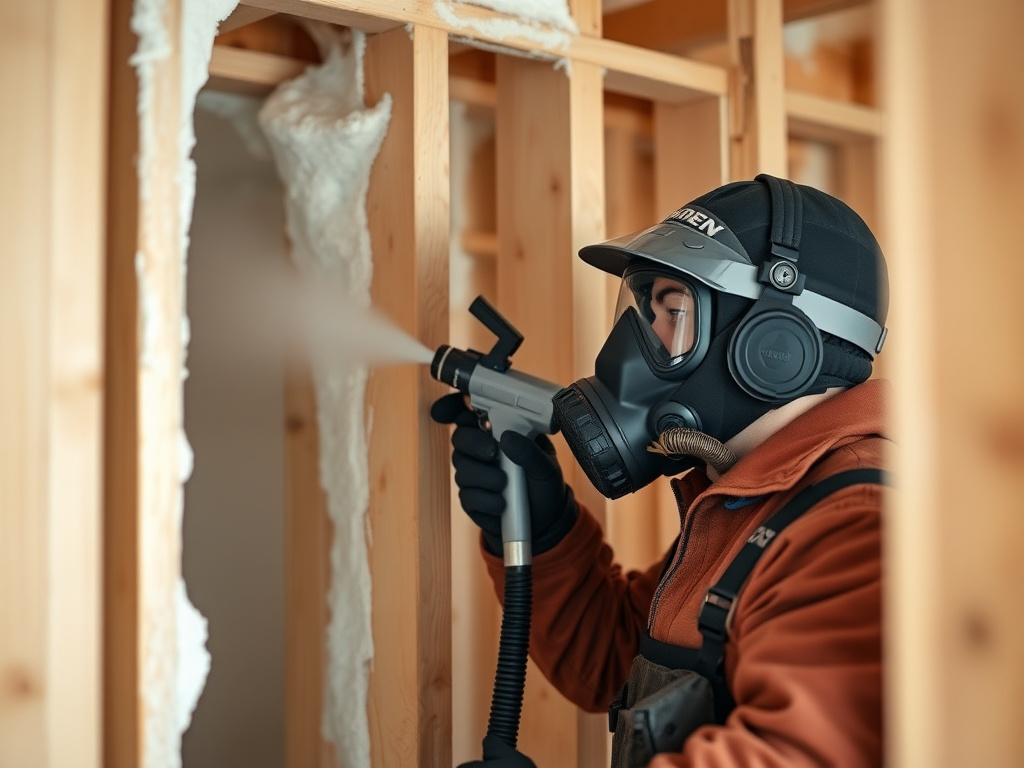
SPF application involves respiratory protection, ventilation requirements, and re-entry time restrictions that protect both the crew and anyone else on site. A sub who can speak clearly to their safety protocol and PPE program is signaling real operational maturity, not just sales polish.
Frequently asked questions
No — it's a voluntary, nationally recognized credential from the industry's trade association (SPFA), not a government license. Some jobs, including certain federal projects, reference it in specifications, but most private work doesn't require it. It's still a useful signal of formal training during vetting.
The hiring GC or builder verifies it directly with the subcontractor by requesting a current certificate of insurance and confirming the coverage and certificate-holder status match their subcontract requirements. This site is a matching and listing network, not an insurance provider, and doesn't verify or issue coverage on anyone's behalf.
Ready to get moving?
Find a subcontractor for your project, or get your business listed — both are free.